


Nordic Walking Technique for Beginners

Nordic walking is one of the most effective and joint-friendly forms of cardiovascular exercise. It’s particularly well-suited to beginners because it engages the entire body, is easy to learn, and can be adapted to virtually any fitness level. By learning the correct technique from the start, you’ll get more out of your workouts and avoid common mistakes that can limit your progress.
Start with Good Posture
Proper posture is often overlooked by beginners, but it forms the foundation of efficient Nordic walking.
Keep the following points in mind:
- Stand tall with a slight forward lean from the ankles.
- Look ahead rather than down at your feet
- Keep your shoulders relaxed and free of tension
- Open your chest and avoid slouching
Nordic walking is a full-body movement. When your posture is stable and upright, your arms, legs, and core can work together much more effectively.

Using the Poles Correctly
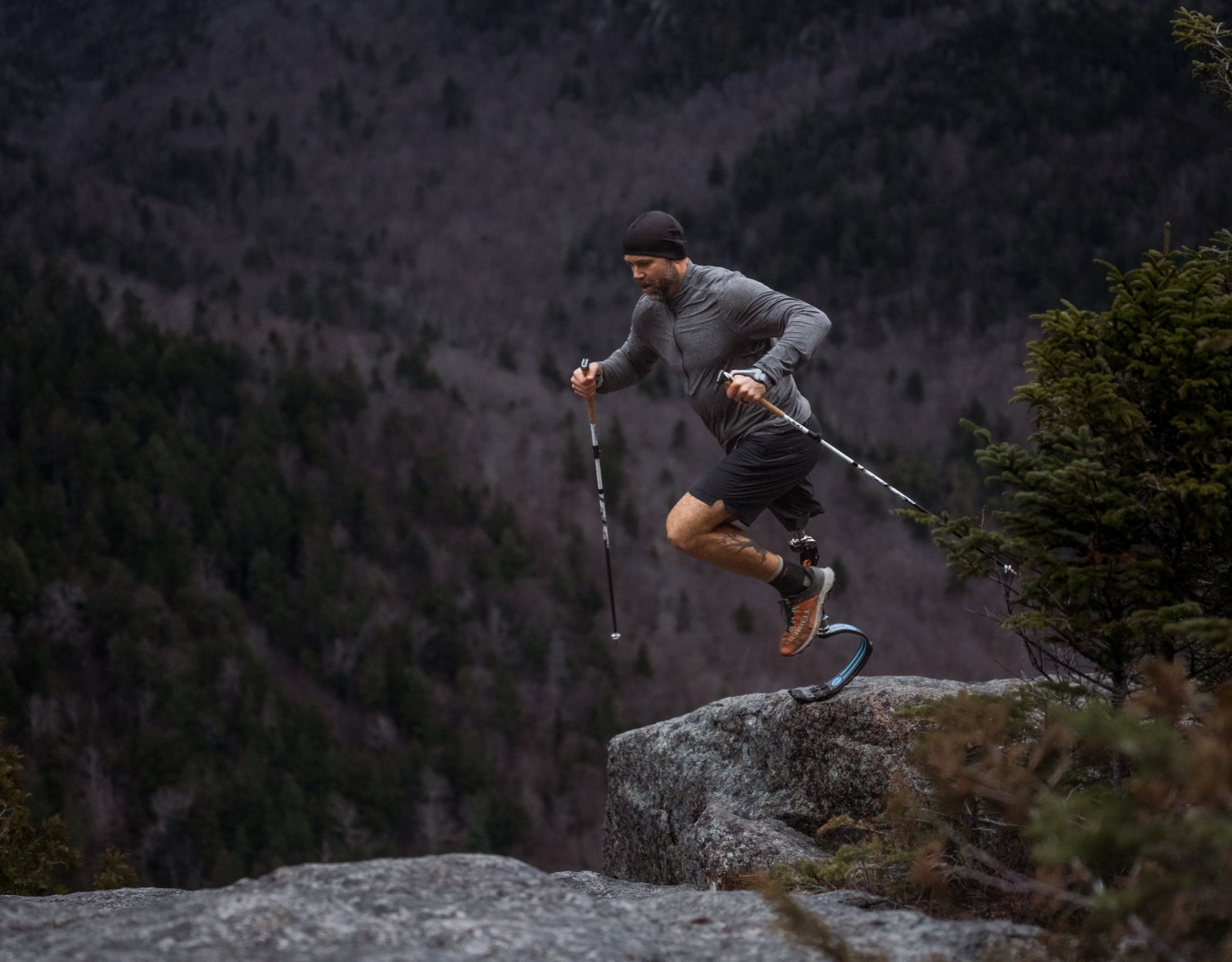
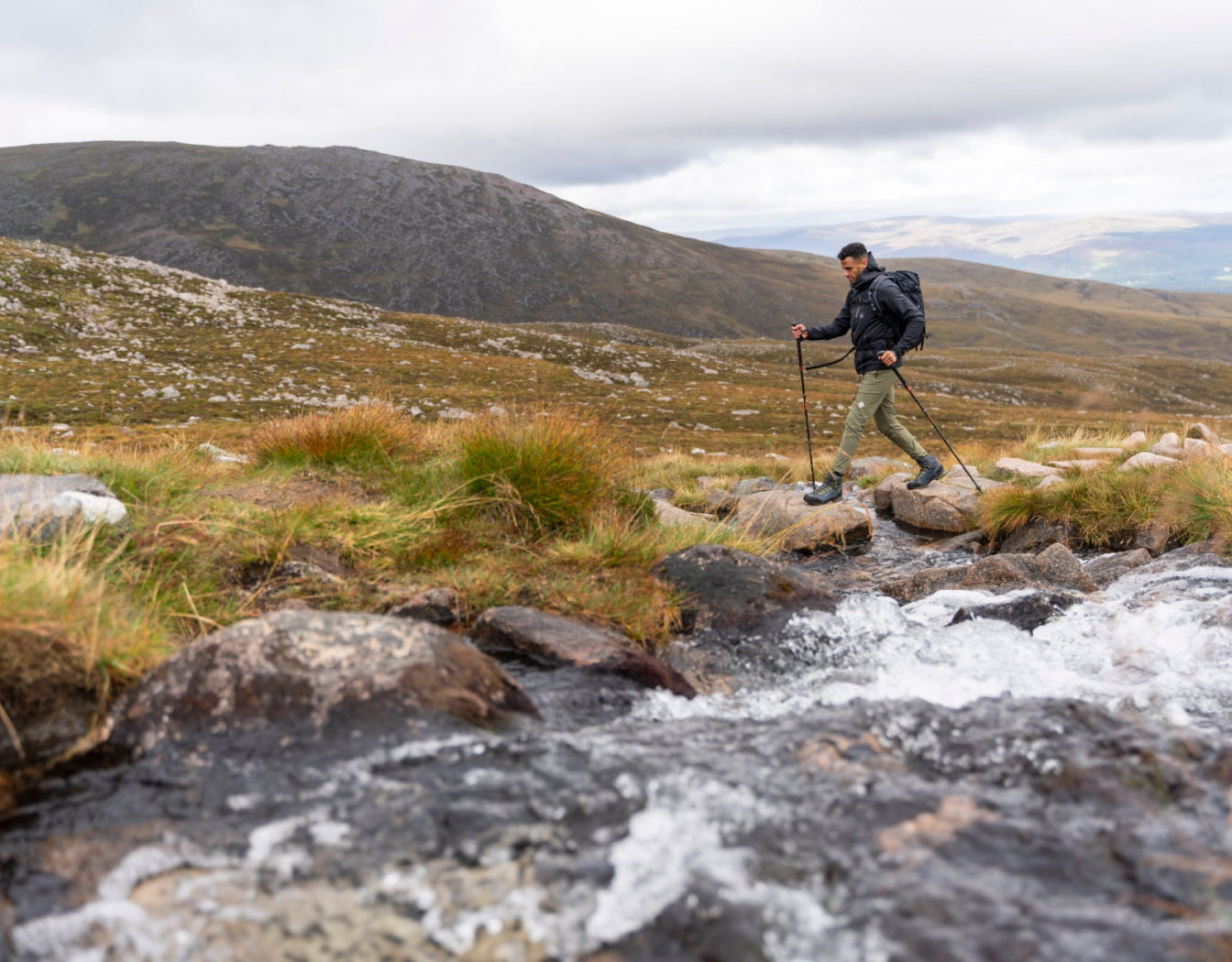
The poles are not primarily there for support; they are an active part of the workout. Incorrect pole use is one of the most common mistakes among beginners.
To use your poles properly:
- Plant them behind your body at an angle rather than straight down
- Grip the handle firmly when planting the pole.
- Relax and open your hand during the backward swing
- Coordinate each pole movement with the opposite leg
The motion should feel smooth and natural, creating a flowing rhythm between your upper and lower body. When performed correctly, the poles glide through the movement without dragging along the ground.

Finding the Right Rhythm
Nordic walking relies on coordinated movement. Just as in normal walking, the arms and legs move in opposition, but with a more active arm swing.
The basic pattern is simple:
- Right arm moves forward with the left leg
- Left arm moves forward with the right leg
- Swing the arms purposefully both forward and backward
- Keep your stride comfortable and natural
Avoid trying to march or exaggerate the movement. The goal is a relaxed, rhythmic motion that feels energetic without becoming forced.

Perfecting Your Stride
Many beginners assume that longer steps mean a better workout. In reality, overstriding wastes energy and disrupts your walking rhythm.
Instead:
- Maintain a natural stride length
- Land on your heel first
- Roll smoothly through the entire foot
- Push off through your toes to generate forward momentum
This technique allows you to move efficiently while maintaining a steady pace.

Breathing and Pace
When learning Nordic walking, it’s easy to focus entirely on technique and forget about breathing. However, proper breathing plays a major role in both performance and comfort.
A few simple guidelines:
- Breathe calmly and steadily.
- Aim for a rhythm of two to three steps per inhalation and exhalation.
- Walk at a pace that still allows you to hold a conversation.
If you find yourself gasping for breath or losing your breathing rhythm, it’s usually a sign that you’re moving too fast.
Common Beginner Mistakes to Avoid
Being aware of common errors can help you improve more quickly and enjoy the activity from the start.
Watch out for:
- Stiff arms with little or no swing
- Planting the poles too far in front of the body
- Tense shoulders and neck muscles
- Overly long, unnatural strides
- Looking down instead of ahead
The good news is that even small adjustments can have a noticeable impact on your comfort, efficiency, and overall walking experience.
Final Thoughts
Nordic walking is an excellent way to improve cardiovascular fitness, strengthen the entire body, and stay active without putting excessive stress on the joints. By focusing on good posture, coordinated arm and leg movements, proper pole use, and a comfortable rhythm, beginners can quickly develop an efficient and enjoyable technique.
With a little practice, the movements become second nature, and every walk becomes a highly effective full-body workout.
