


What Is the Difference Between Trekking Poles, Trail Running Poles, and Nordic Walking Poles?

Not all poles are created equal. Although poles for trekking, trail running, and Nordic Walking may look similar at first glance, they are designed for different movement patterns, user needs, applications, and areas of use. Choosing the wrong type of pole can mean sacrificing not only comfort and efficiency, but also reduce performance.
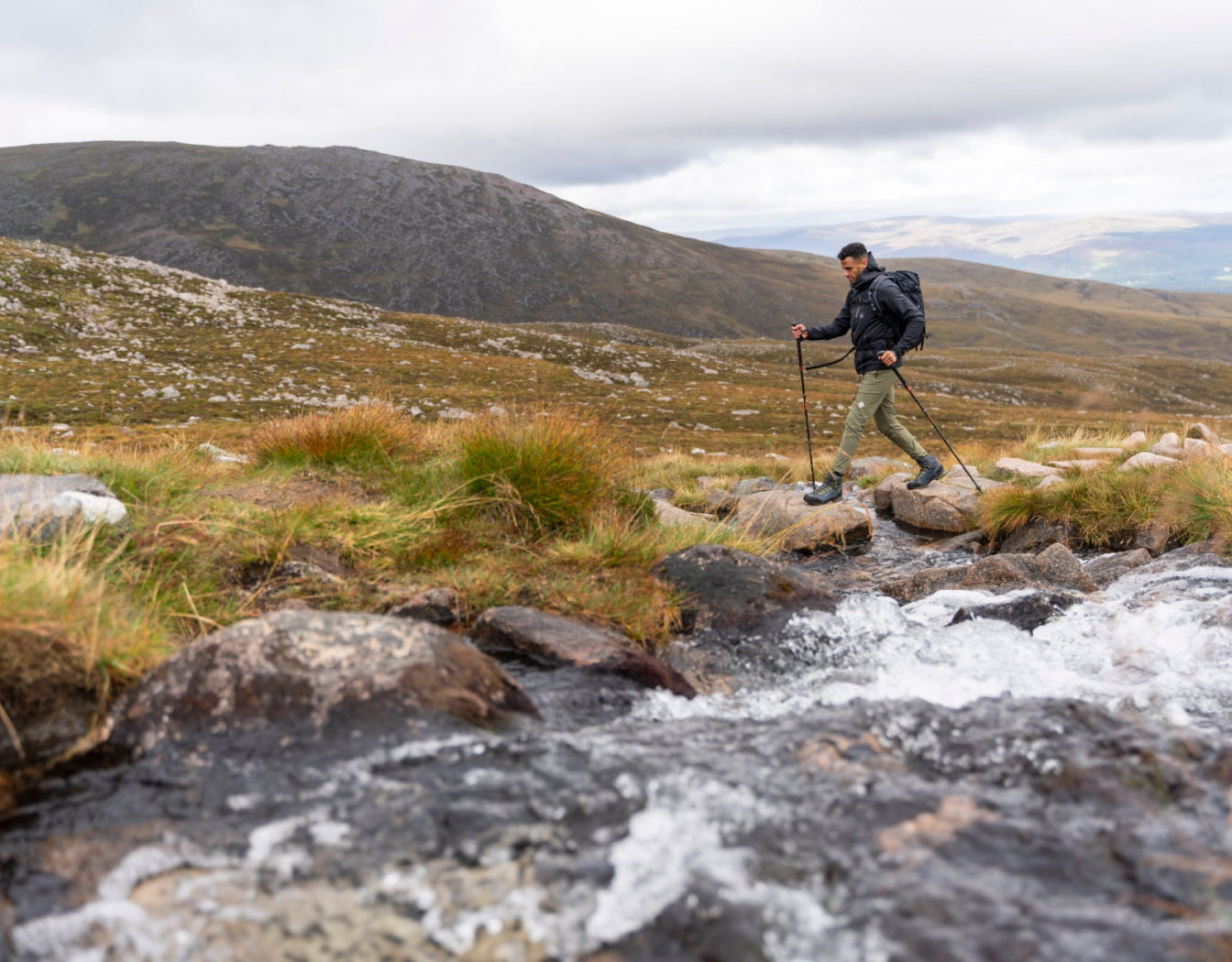
Trekking Poles: The All-Rounder for the Outdoors

Trekking poles are durable companions for everything from recreational day hikes, to backpacking and thru hiking adventures.
Typical Features:
- Durable construction (usually aluminum, carbon, or a carbon-aluminum hybrid)
- Adjustable telescoping or folding design
- Larger, ergonomic grips designed for comfort and performance such as the Aergon, Aergon Air, or Verticon
- Often equipped with interchangeable baskets to maximize performance in any condition
Trekking poles are designed for stability, comfort, control, and versatility. They provide propulsion on ascents, and offer reduced impact on the joints during descents.
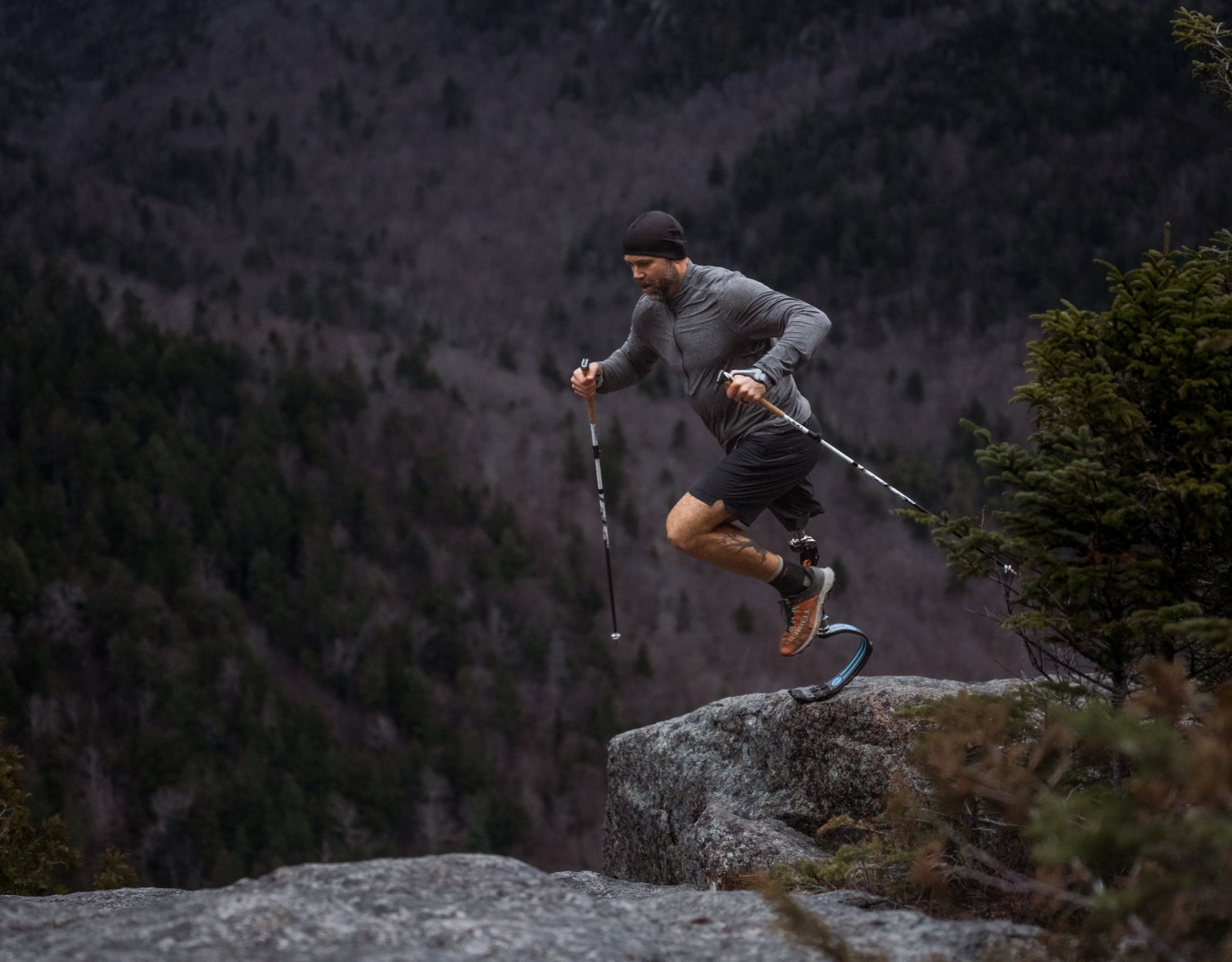
Trail Running Poles: Lightweight, Fast, and Efficient

Trail running poles are specifically optimized for speed with minimal weight.
Typical Features:
- Extremely lightweight (usually made from carbon)
- Folding design allowing for easy storage in pole quiver, pack, or trail running belt when not it use
- Minimalist grip, with or without the Trail Trigger Shark system. The Trigger system allows the hand to clip into the pole via a breathable mesh frame strap for unrivaled transmission of power and precision pole plants
In trail running, every second and every ounce counts. The primary function of trail running poles is to create propulsion and support dynamic movement rather than slow you down on the downhill. While some brands promote their lightest hiking poles for trail running, the demands of trail runners are much different and LEKI trail running poles are specifically designed to meet these unique needs.
Nordic Walking Poles: Designed for Technique and Fitness

Nordic walking poles are built for a completely different type of movement: using a walking technique performed on relatively flat terrain where the poles are used to provide a full body workout.
Typical Features:
- Always equipped with the Trigger Shark system for a direct connection and efficient power transfer between the hand and the pole
- Metal tips designed for dirt walking paths, and rubber tips for use on concrete, form surfaces or indoors
- Come in both fixed length or adjustable models
Nordic walking poles are part of a structured fitness system. They engage the upper body, improve posture and endurance, and are specifically designed for continuous, rhythmic movement on flat surfaces.
The Key Differences at a Glance
Intended Use
| Trekking | Trail Running | Nordic Walking |
|---|---|---|
| Hiking trails, rugged terrain and alpine environments | Fast mountain running or moving through the mountains at pace | Flat terrain and fitness training |
Construction
| Trekking | Trail Running | Nordic Walking |
|---|---|---|
| Durable and adjustable. Aluminum or Carbon | Ultra-lightweight and foldable | Functional and designed for repetitive, long-term use |
Primary Goal
| Trekking | Trail Running | Nordic Walking |
|---|---|---|
| Control and ergonomic comfort | High performance and speed | Health and fitness training |
